If you have received a Cease and Desist (C&D) letter, it usually means that you have violated someone else’s intellectual property rights. However, this may not necessarily be the case if you are doing business in Croatia.
 CEE Legal Matters
In-depth coverage of the news and newsmakers that shape Europe's emerging markets
CEE Legal Matters
In-depth coverage of the news and newsmakers that shape Europe's emerging markets
If you have received a Cease and Desist (C&D) letter, it usually means that you have violated someone else’s intellectual property rights. However, this may not necessarily be the case if you are doing business in Croatia.

Ilej & Partners, in cooperation with Karanovic & Partners, has advised Cirtuo on the sale to Coupa. Wolf Theiss, working with Kirkland & Ellis, advised Coupa on the deal.

Madirazza & Partners has advised Abris Capital-backed Dental Holding on its acquisition of Sanitaria Dental and SCL Logistika in Croatia, and Sanitaria in Hungary. DLA Piper reportedly advised Dental Holding as well.
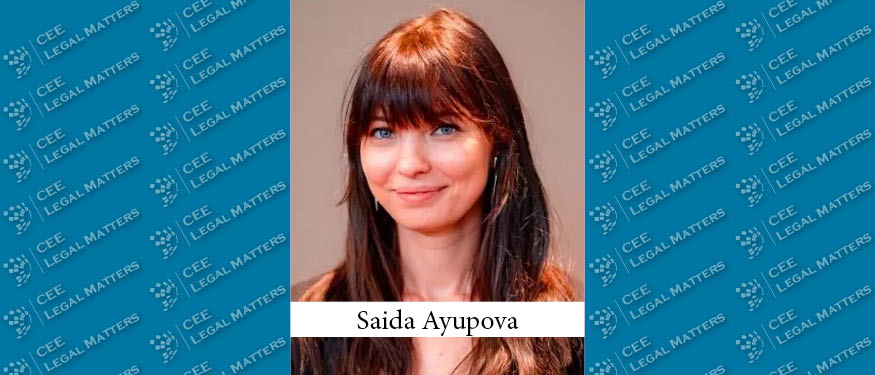
Big law firms can coast on boring slogans. They’ve got the clout, the infrastructure, and the impressive list of past clients to do the talking. But if you’re a smaller firm and your website sounds like everyone else’s, you are disappearing into the beige background of legal marketing noise.

Vukmir and Associates has advised Maslinica Hotels & Resort in the negotiations with the Trade Union of Istria, Kvarner, and Dalmatia, culminating in the signing of an annex to the company’s Collective Agreement.
The European Accessibility Act (EAA), approved in 2019, takes effect on June 28, 2025. The Act requires a wide range of products and services – such as consumer electronics, vending machines, websites, and mobile apps – to meet accessibility standards for people with disabilities.
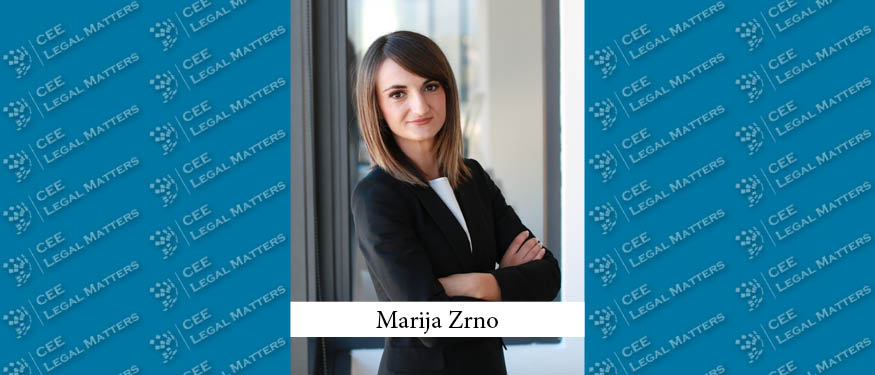
CMS has promoted Marija Zrno Prosic to CEE Partner in its office in Croatia.

Horizons Alliance has announced an expansion of its international legal network with the addition of Gessel in Poland, Lovric Novokmet & Partners in Croatia, and NKO Partners in Serbia.

On 17 April 2025, the Law on the Implementation of Regulation (EU) 2022/2065 on the Single Market for Digital Services (the Digital Services Act or "DSA") (the "Law") entered into force in Croatia. The Law marks a significant step in harmonising the national legislation with the EU's regulatory framework for digital services.

CMS has advised Synlab International on the sale of its business activities in Eastern Europe – including its entities in Croatia, North Macedonia, Romania, Slovenia, Turkiye, and Cyprus – to Medicover Group. Schoenherr advised Medicover.

Lovric, Novokmet & Partners has advised Fortenova on the sale of Agrolaguna and Vinarija Novigrad to Badel 1862. Miskovic & Miskovic advised Badel 1862.
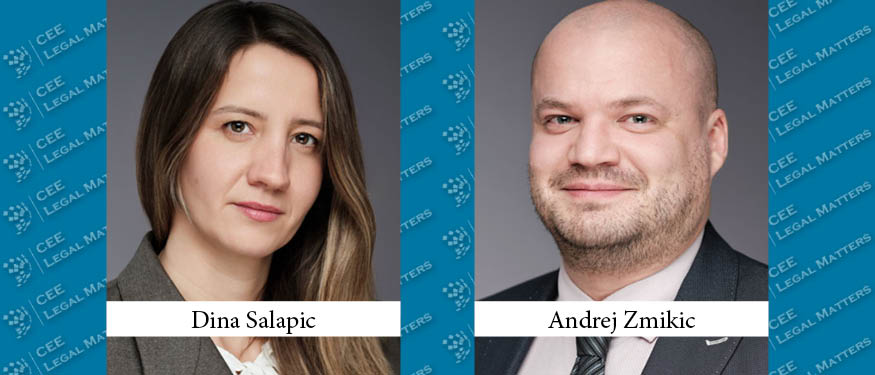
Divjak, Topic, Bahtijarevic & Krka has promoted Dina Salapic and Andrej Zmikic to Partner in a promotion round that also saw Sanja Novoselic and Dominik Glavina promoted to Senior Attorneys at Law.
In recent years, Croatian enterprises have increasingly embraced innovative ownership structures to retain and incentivize top talent. Initially spearheaded by the IT sector, this trend has expanded across industries, from established family businesses to emerging ventures. The rationale is straightforward: aligning employee interests with long-term corporate success through equity participation.

Cytowski & Partners has advised SplxAI on its USD 7 million series seed financing round led by LAUNCHub Ventures. Gunderson reportedly advised LAUNCHub Ventures.
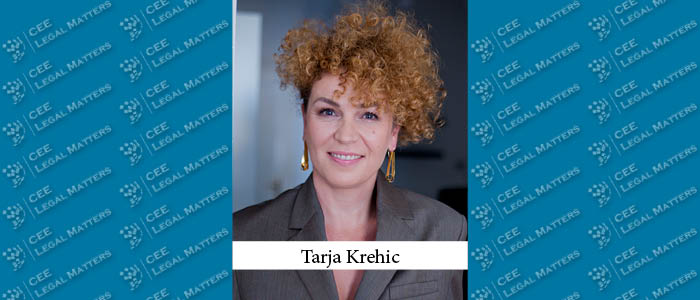
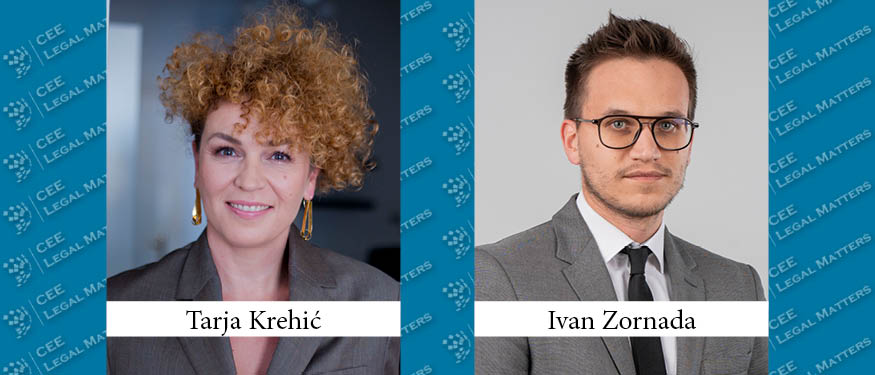
Croatia’s mergers and acquisitions market continues to exhibit remarkable dynamism, with strong activity across key sectors such as hospitality, healthcare, and alternative energy according to Tarja Krehic, Managing Partner at Krehic & Zornada, who also reports on legislative reforms aimed at aligning Croatia’s corporate governance and state-owned enterprise management with OECD standards.

On the evening of April 1, 2025, the Deal of the Year Awards Banquet brought together, under the same roof, over 200 top-tier lawyers from Central and Eastern Europe's leading law firms and General Counsel from across the region in Prague.

In The Corner Office, we ask Managing Partners at law firms across Central and Eastern Europe about their backgrounds, strategies, and responsibilities. With 2024 behind us, we asked: Looking at transactional volumes for this year, would you say that 2024 was better or worse than what you originally expected it to be, and why?

The private healthcare sector across CEE has been expanding at a remarkable pace, reshaping the way people access and experience medical care.