08
Sat, Nov
37 New Articles

Kosovo’s regulatory landscape is shifting fast, with a key highlight from Energy Regulatory Office decision pushing certain companies which meet the criteria entering the open power market and sparking legal challenges, according to RPHS Law Head of Energy Blerina Ramaj, who, at the same time, reports of a wind-power public auction framework and a new crypto-licensing regime aligned with EU rules as signals of a broader push toward modernization and EU convergence.

On August 29, 2025, the Central Bank of the Republic of Kosovo (BQK) approved the Regulation on the licensing of crypto-asset service providers (OSHKA) offering crypto-asset exchange services, establishing a clear legal and supervisory framework for this developing sector. The Regulation was adopted pursuant to Law No. 08/L-295 “On Crypto-Assets” and aims to ensure new standards of transparency, professionalism, and consumer protection in the digital assets market.

Law No. 05/L-085 on Electricity (2016) provides small commercial entities with access to the so-called Universal Supply Service – the right to remain in the price-regulated energy market. In contrast, large commercial entities must find their energy suppliers licensed by the Energy Regulatory Office (ERO). In commercial terms, this means a transition of the energy market from a single supplier to dozens (currently up to 20). This transition aims to develop the energy market, increase competition, and improve service quality for consumers.

Kosovo’s Law No. 08/L-056 on Protection of Competition serves as a key instrument in maintaining fair and open market conditions by addressing anti-competitive behavior, supporting free market principles, and aligning with EU legal standards. The law equips the Kosovo Competition Authority (KCA) with the authority to investigate, sanction, and prevent restrictive practices and abusive market conduct.

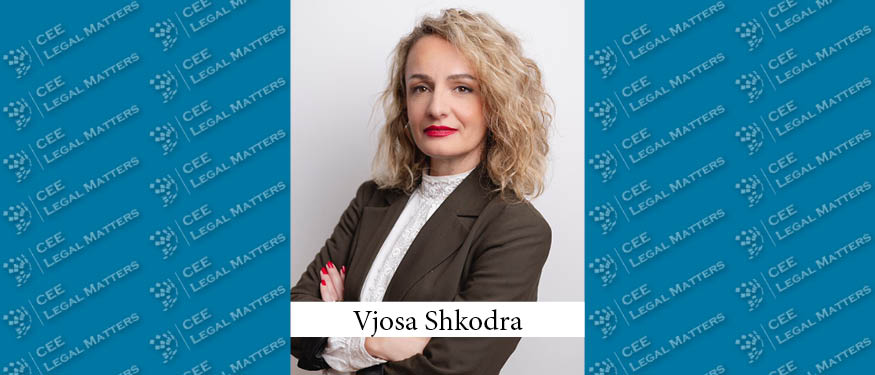
Kosovo’s shift to a liberalized energy market has prompted business pushback, with courts stepping in to ensure stability as companies navigate rising costs, limited suppliers, and a lack of clear regulatory guidance, according to Lex Business Managing Partner Vjosa Shkodra.
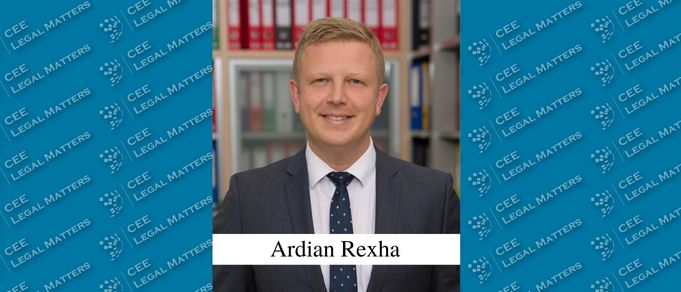
Kosovo is in political limbo after the February elections, with stalled government formation affecting key decisions, according to Ardian Rexha, an Attorney at Law associated with Deloitte Kosova. At the same time, energy reforms and price hikes by the regulator are causing strong reactions from businesses and the public.

In The Corner Office, we ask Managing Partners at law firms across Central and Eastern Europe about their backgrounds, strategies, and responsibilities. With 2024 behind us, we asked: Looking at transactional volumes for this year, would you say that 2024 was better or worse than what you originally expected it to be, and why?

The COVID-19 pandemic accelerated the shift toward remote work globally, including in Kosovo. While this new way of working offers flexibility and convenience, it also exposes gaps in labor regulations. Kosovo’s Labor Law, like many others, was primarily designed for traditional in-office work environments and has yet to fully adapt to the nuances of remote work. Remote work context has brought to attention legal gaps in areas such as work hours, digital privacy, employer responsibilities, and employee rights.

Kosovo has recently adopted Law No. 08/L-265 on the Register of Beneficial Owners, a key piece of legislation aimed at enhancing transparency and preventing financial crimes. Officially published on November 22, 2024, in the Official Gazette of Kosovo, this law not only addresses regulatory gaps but also lays the foundation for a transparent and trustworthy business environment in Kosovo, aligning it with the practices of European Union member states. 

Page 1 of 3